Local service details
Dead trees can become harder to manage over time
A dead tree may shed limbs, lose structural strength, attract insects, or become more difficult to remove safely as decay progresses. Visible symptoms alone do not establish the exact condition, so a qualified provider should inspect the tree and proposed work area.
Send full-tree photos plus close views of the trunk, major unions, dead canopy, cracks, cavities, mushrooms, loose bark, or exposed roots.
- Fully dead or mostly dead canopies
- Large dead limbs over occupied areas
- Decay, cavities, cracks, or brittle wood
- Removal with stump grinding and cleanup options
Plan what happens after removal
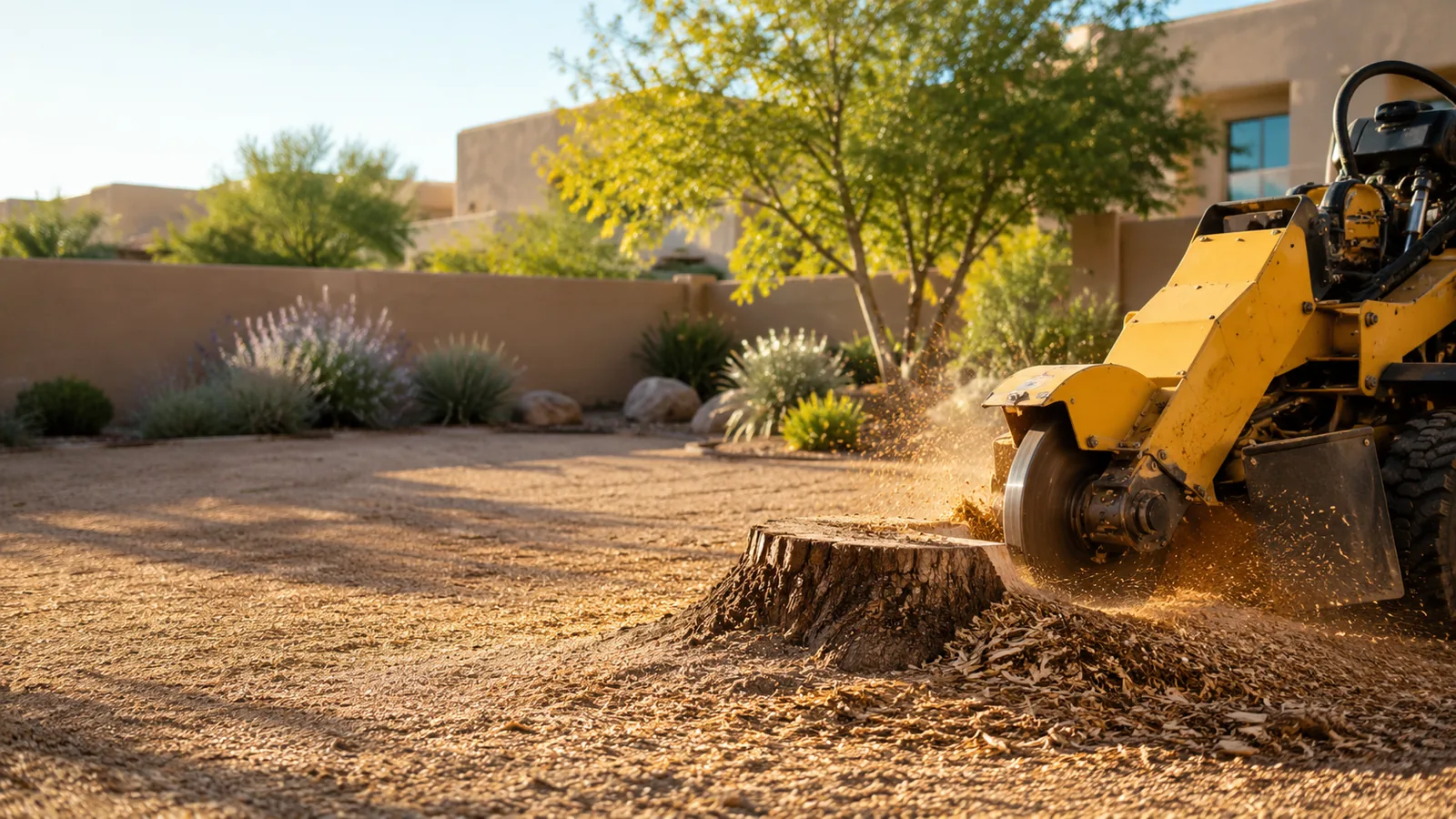
Decide whether the stump can remain, should be ground below grade, or requires more complete removal for construction or replanting. Mention irrigation, rock, walls, concrete, and the intended use of the area.
The provider should confirm safe methods, qualifications, scope, and final price directly.
Ready for a local quote?Send clear photos, project size or scope, access details, and the service needed for a more useful first review.
Common questions
Frequently asked questions
How can I confirm a tree is dead?
A qualified tree professional should evaluate the tree. Seasonal leaf loss alone does not always mean the tree is dead.
Can a dead tree be left standing?
That depends on condition and surroundings, but dead trees can shed limbs or lose strength. Seek a local assessment when people or property could be affected.
Should the stump be removed too?
Discuss the next use of the area. Grinding is common for normal yard restoration; excavation may be considered for some construction or replanting needs.
Can I request several dead trees at once?
Yes. Number each tree in the photos and provide approximate location, size, access, and condition notes.
Helpful project photos
Show the work area, access, and nearby obstacles.
Clear photos make the first review more useful while keeping the focus on the actual service project.
Whole work areaStep back far enough to show the tree, stump, debris, and surrounding yard.
Size and contextInclude a useful size reference and nearby structures or surfaces.
Access routeShow gates, turns, steps, slopes, and the route equipment would use.
Nearby obstaclesCapture concrete, walls, rock, irrigation, utilities, structures, and roots.